The evolution of metal forming in Mexico has been accelerated in recent years and will continue to shape the country's manufacturing sector as new technologies emerge. Based on a commitment to technology and quality, Mexico will continue to be well positioned to remain a major player in the global industry for years to come.
Manufacturing and metal forming processes and technologies have advanced significantly over the years, spurred by advances in technology and materials science. From traditional forging and sheet metal processes to modern hydroforming and 3D printing techniques, the evolution of metal-forming processes has revolutionized the manufacturing industry.
Mexico is the leading consumer of Machine Tools and peripherals in Latin America due mainly to the development of the automotive, appliance, machinery, and, recently, aerospace industries. Mexico's capacity in this field has grown steadily with the adoption of new technologies, from improving its processes to meeting its production needs.
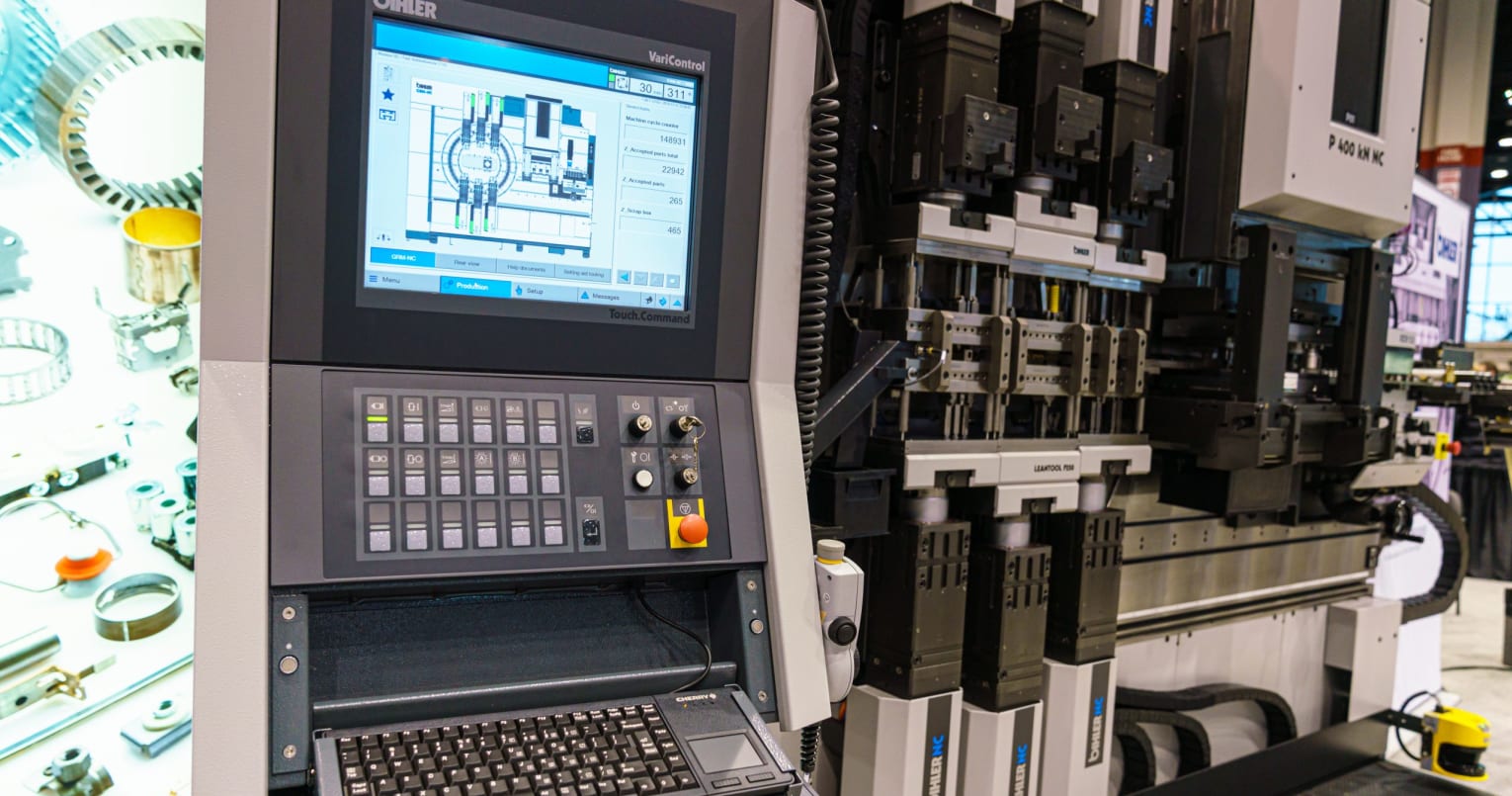
From presses, press brakes, metal rollers, punching machines, laser and waterjet cutting, welding equipment, and laser marking, Mexican companies have increased installed capacity and acquired increasingly modern technology. Incorporating numerical control systems (CNC) is increasingly frequent in national production floors, transforming metal sheets and forming tubes and profiles.
Industries such as automotive, appliances, and industrial equipment, such as air conditioning and ventilation systems, have been the generators of this boom in machinery in Mexico. They require mass production since they demand many metal parts while demanding flexibility and speed in adjusting to engineering changes.
CNC manufacturing machinery and equipment ensures the high repeatability required for such industries and allows more complex and accurate components to be produced. In addition, state-of-the-art technology has proven to generate greater profitability from the processes.
Another key player in machinery, mainly metal forming, which grows hand in hand with the proliferation of CNC equipment, is servo machines. Mechanical presses, for example, although they fulfilled their function of strength, high speed, and repeatability, now have gained precision and control with the incorporation of servo motors.
The displacement of presses with hydraulic and pneumatic cylinders is gradual, but for manufacturers, it does not go unnoticed the fact that servo presses improve quality and generate savings in production and energy; In addition to being cleaner, they have a longer useful life and, being operated using CNC technology, they allow each operation to be monitored in real-time, accumulating data that can then be used for statistical analysis, information that is used to evaluate the performance of the equipment, the piece and provide valuable indicators for new designs of production processes.
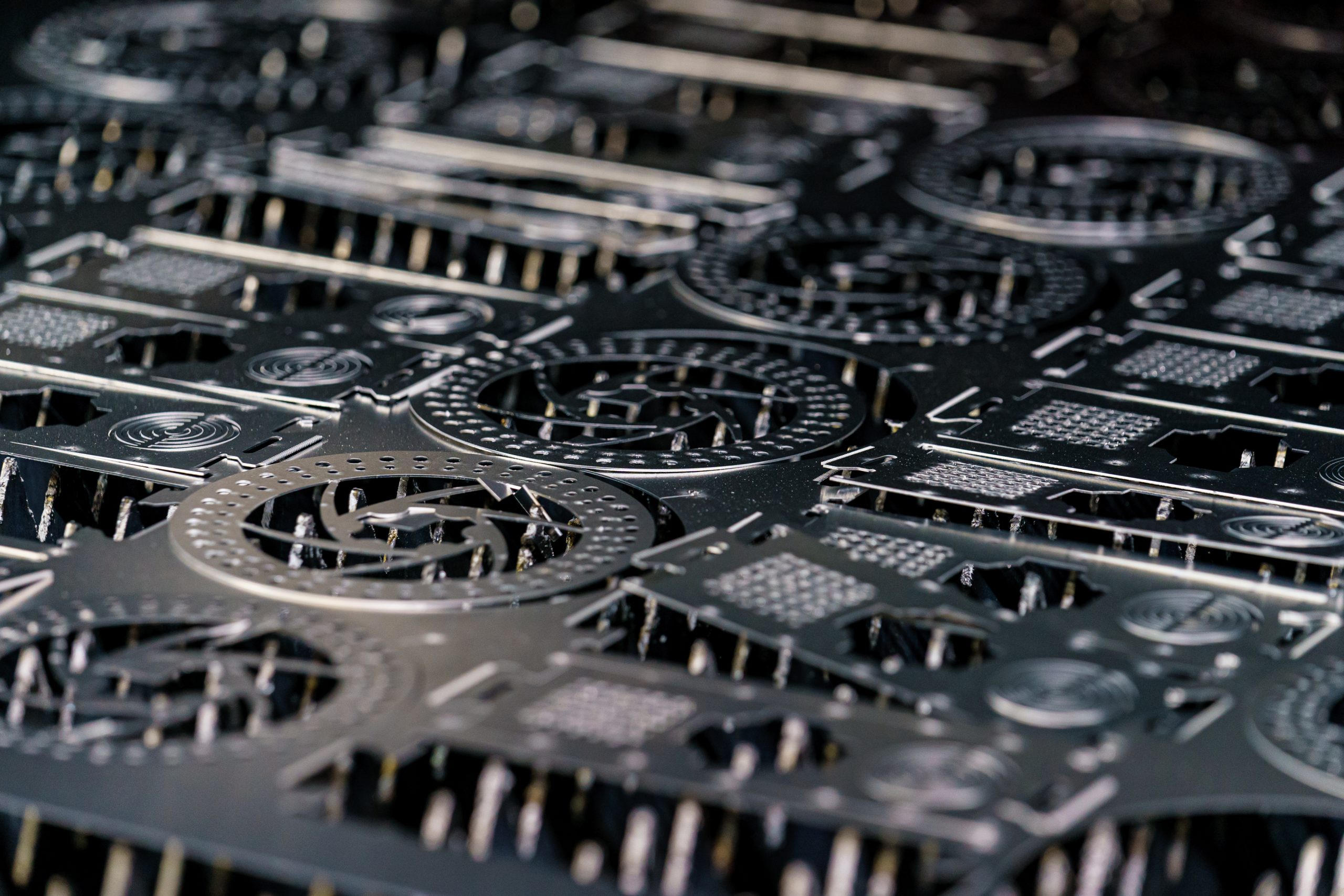
Numerical Control systems also expand capabilities in cutting machines because they can be aligned with information extracted from computer-aided design and manufacturing (CAD / CAM) systems for the execution of operations. After all, by using algorithms, it is possible to generate nesting of cutting curves more efficiently in such a way that it reduces the waste of metal in a plate. With the nesting process's automation, the cutting patterns' designs generate a more significant number of valuable parts.
FABTECH Mexico, an industrial event dedicated exclusively to the exhibition of technologies for metal forming and manufacturing, welding, and finishing, has been the forum for many years where the evolution of new technologies has been disseminated and the place where the best manufacturing practices for the sector are announced. Held every year in an itinerant manner in Monterrey and Mexico City, it has allowed all industrialists in the country access to new equipment and machinery and knowledge related to their use.
Throughout Latin America, Mexico continues to be the leading consumer of machine tools (over 60%), such as presses, bending machines, punching machines, and laser cutting centers. This 2023 FABTECH Mexico (to be held in the country's capital) will highlight this evolutionary process of metal forming and manufacturing, as well as techniques and materials for coatings. CNC technology is a fundamental piece in the technological reconversion of Mexican companies that seek more efficient, automated, environmentally friendly, and profitable processes. This evolutionary process will add much so that Mexico remains an attractive option to establish and link production chains within the current global phenomenon of manufacturing reshoring.